The first time I fired a long‑pulse diode laser in a clinic room, my patient looked at me and asked if the hair would be gone forever. She had shaved before her appointment, wore protective goggles, and had a thousand questions. That mix of curiosity and caution has followed every laser hair removal consultation I have done since. People want smoother skin without endless shaving or waxing, they want safe laser hair removal, and they want to understand how professional laser hair removal stacks up against devices they can buy online. This guide lays out how the technology works, which lasers fit which skin and hair types, what real‑world results look like, and how to pick the right service or device.
How laser hair removal actually works
Laser hair removal treatment targets pigment inside the hair follicle. A pulse of light passes through the upper skin, the pigment heats up, and that heat damages the stem cells that drive regrowth. Two details matter more than anything: the contrast between hair and skin color, and the growth phase of the hair. Lasers only disrupt follicles tied to a hair in its active growth phase. That is why laser hair removal sessions are spaced in series and why you see gradual reduction rather than an overnight change.
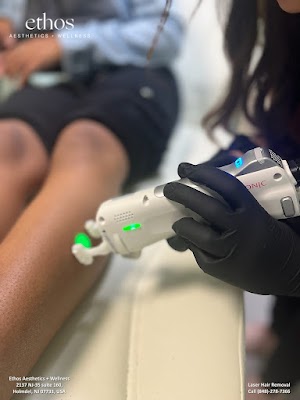
Clinically, we measure light in wavelengths and energy densities. Common medical lasers for hair reduction include alexandrite at 755 nm, diode at about 800 to 810 nm, and Nd:YAG at 1064 nm. Each penetrates skin differently and has a different affinity for melanin. Alexandrite loves pigment and works briskly on lighter skin with dark hair. Nd:YAG interacts less with epidermal melanin, reaches deeper, and is safer for darker skin types. Diode sits in the middle with strong performance across many combinations.
This is also why intense pulsed light, or IPL, is not the same as a laser. IPL devices emit a broad band of light that is filtered and shaped into pulses, rather than a single coherent beam. In clinic hands, medical IPL can reduce hair when parameters are chosen well, but home IPL devices sit at much lower energy to meet consumer safety standards. They can thin and lighten hair, especially on fair to medium skin with dark hair, but they rarely match professional laser hair removal for speed or durability.
Permanent results, or long‑term reduction
Clinicians often avoid the phrase permanent laser hair removal because biology leaves wiggle room. The FDA language in many regions is permanent hair reduction. Most people can expect a 70 to 90 percent reduction after a complete series, usually six to ten sessions, with occasional maintenance. Hormonal areas like the face, shoulders, chest, and lower abdomen tend to be more stubborn. I warn men treating the beard or women treating the chin that more sessions and periodic touch‑ups are normal. Blonde, red, gray, and white hairs have little to no pigment, which makes them poor candidates for laser. Electrolysis is the gold standard for truly permanent hair removal on any hair color, but it is slower and more operator dependent.
The number of laser hair removal sessions depends on body site, skin type, and device. Underarm laser hair removal and bikini laser hair removal typically respond quickly. Leg laser hair removal on full legs takes time because of the large surface area. Back laser hair removal and chest laser hair removal for men may require more visits due to density and hormonal influence. Sessions are often four to eight weeks apart. The time per session ranges from 10 minutes for the upper lip to 60 to 120 minutes for full body laser hair removal depending on machine speed, spot size, and experience.
Choosing the right technology for your skin
Skin color and hair color guide device selection. Dermatologists commonly use the Fitzpatrick scale, from I to VI, to describe skin’s response to sun. Skin types I to III with dark hair respond very well to alexandrite or diode lasers. The 755 nm alexandrite is quick, effective, and has a crisp snapping feel. The 810 nm diode is a workhorse with built‑in cooling, strong safety records, and plenty of features for large areas.
Skin types IV to VI, which tan easily or are richly pigmented, benefit from the 1064 nm Nd:YAG laser. It penetrates deeper and bypasses much of the epidermal melanin, reducing risks of burns or pigment changes. I have treated hundreds of darker skinned patients safely with Nd:YAG by using longer pulse durations, aggressive cooling, conservative starting fluences, and careful test spots.
For mixed tone households, clinics that offer both diode and Nd:YAG can tailor settings across different body areas. The latest technology also includes dual‑wavelength platforms that switch between alexandrite and Nd:YAG, or stack pulses to balance efficacy with safety. If a clinic lists advanced laser hair removal, ask them to name the wavelengths and show you the machine. Brand matters less than specifications, maintenance, and who is at the controls.
" width="560" height="315" style="border: none;" allowfullscreen="" >
What a treatment feels like
Sensations vary. Most people describe a staccato snap followed by a rush of cold from the machine’s contact tip, cryogen spray, or air cooling. Underarm and bikini lines feel sharper than forearms. The face can be zappy around the upper lip and jawline. Topical numbing is rarely needed on legs and arms, but can help for bikini laser hair removal or the beard area. A sensible operator keeps fluence high enough to affect the follicle while minimizing skin reaction. The goal is perifollicular edema, those tiny goosebump halos that fade within 24 hours. Redness for a few hours is common. Blistering is not.
Painless laser hair removal is a marketing phrase. With excellent cooling, smooth pulse stacking, and gradual heating techniques, pain is manageable, but you will still feel it. People with anxiety around pain often do better with small test patches, music, and precise communication about when pulses are coming.
Safety first: who should not have laser right now
Laser hair removal safety lives in the screening and the parameters. I decline or delay treatments when someone has a fresh tan, a history of keloids in the treatment area, active infection, open wounds, photosensitive disorders, or is using medications that increase light sensitivity such as isotretinoin in the previous 6 to 12 months. Tattoos in the field are a no‑go. The beam will target the ink, heat unpredictably, and can scar. We work around tattoos with millimeter precision, but we do not pass over them. Pregnancy is a gray area; there is no robust evidence of harm, but I recommend waiting until after delivery and breastfeeding for purely elective procedures.
Protective eyewear is non‑negotiable. So is shaving the day before so energy does not waste on surface hair. Waxing and plucking are off the table during a series because you need the follicle intact for the laser to recognize the target. Patients with melasma or post‑inflammatory hyperpigmentation get gentler settings and longer intervals. With the right device and technique, laser hair removal for dark skin can be both safe and effective, but the margin for error is narrower.
What a typical course looks like
In clinic, the first laser hair removal appointment runs longer than the rest. We map the areas, review medical history, take photos for documentation, discuss laser hair removal side effects such as temporary redness, swelling, and pigment changes, then perform test spots. For face laser hair removal, I pay close attention to hormonal cues and any history of paradoxical hair growth. For underarm laser hair removal, we check deodorant residue and adjust cooling because the axilla skin is thin. For leg laser hair removal, I calibrate so the upper thighs, which can be darker, do not overheat.
Hair starts to shed around day 10 to 14. A common worry is that hair appears to grow at first. Those are loosened shafts pushing out. I ask patients to avoid scrubs and hot yoga for 48 hours, moisturize, and use broad‑spectrum sunscreen on exposed areas. Between appointments, shaving is fine. The laser hair removal frequency changes as hair density drops, with longer gaps between later sessions. After three to four sessions, most people see a clear change in shave frequency, ingrowns, and texture. Laser hair removal before and after images show a smoother look, fewer red bumps, and a shadow that fades on areas like the legs and jawline.
Home devices versus professional treatment
Laser hair removal devices sold to consumers are mostly IPL with sensor locks that prevent firing on too dark a skin tone. A diligent user can get laser hair reduction on the lower legs and underarms after 8 to 12 weekly sessions, then monthly maintenance. Expect thinner, lighter hair rather than the near‑complete clearance that a medical laser can reach. Home devices shine for maintenance after a professional series, for travel, or for small areas. Their limitations are energy output, speed, and consistency across different skin tones.
Professional laser hair removal at a dermatologist laser hair removal clinic or a medical spa pairs more powerful machines with trained judgment. The operator adjusts fluence, pulse width, and repetition rate on the fly. They analyze your response and prevent overtreatment. That is the major advantage, not just raw power.
If you search laser hair removal near me, you will find clinics, salons, and spas with a wide range of price and expertise. Regulations differ by region. In some places, only physicians or nurses can operate medical laser hair removal devices. In others, aestheticians can treat under physician oversight. A good laser hair removal center will disclose who is performing the service, what device is used, and how emergencies are handled. Ask about maintenance, calibration logs, and what to do if you blister. The best laser hair removal providers welcome those questions.
https://www.instagram.com/myethos360Cost, packages, and what drives price
Laser hair removal cost varies with geography, credentials, and body area. In major cities, underarms might run 75 to 150 per session, bikini 100 to 250, full legs 300 to 600, and full body packages from 1,500 to 3,500 across a series. Suburban or smaller markets can be 20 to 40 percent less. Laser hair removal packages price structures often bundle six to eight sessions with laser hair removal discounts for add‑on areas. Unlimited sessions packages read well in ads, but hair biology does not support infinity treatments. A capped series with a fair maintenance policy is more realistic.
Laser hair removal deals and laser hair removal offers can help if you are flexible on timing. Cheap laser hair removal becomes expensive when burns or poor outcomes require corrective care. Affordable laser hair removal is about value: trained staff, reliable machines, and protocols that match your skin. Clinics with laser hair removal monthly plans or a subscription can spread costs, but verify whether missed months extend your plan and how touch‑ups are priced. Get it in writing.
What to expect on different body areas
- Face: Laser hair removal for women on the upper lip, chin, and jawline can be transformative for ingrowns and daily shaving. Hormones can drive new growth over time, so expect maintenance once or twice a year. Laser hair removal for men on the beard reduces razor bumps along the neck and jaw. I avoid direct treatment over the vermilion border of the lips and around the eyebrows due to high risk to eyes and pigment change. Underarms: Quick and responsive. Sweat glands are not targeted by hair lasers, so changes in sweating are more about hair density and airflow. Deodorant applies as usual after 48 hours. Bikini and intimate areas: Brazilian and Hollywood treatments require careful mapping and clear boundaries. The skin is sensitive and the pigment often richer. Cooling and conservative early sessions help. Legs and arms: Full arms and full legs take time, but the cosmetic payoff is big. Half legs and half arms are practical options if budget is tight. Shaving between sessions keeps the look clean. Torso: Back and shoulders in men often need more sessions, and paradoxical growth can happen along the edges. The stomach and chest can be done in sections if cost is a factor.
Preparation and aftercare that make a difference
- Shave the treatment area 12 to 24 hours before your session, leaving a small patch if your provider needs to assess hair color and density. Avoid sun exposure, tanning beds, and self‑tanners for at least 2 weeks before and after. A fresh tan raises the risk of burns and pigment shifts. Pause waxing, plucking, and depilatory creams for at least 3 to 4 weeks before. The follicle must be present for the laser to work. Disclose medications and conditions at your laser hair removal consultation. Photosensitizers, acne drugs, and recent chemical peels change the plan. Use gentle, fragrance‑free moisturizers after treatment, skip hot tubs and intense workouts for 24 to 48 hours, and apply SPF 30+ daily on exposed areas.
Side effects and how we prevent them
The most common reactions are redness, swelling, and temporary darkening or lightening of the skin. Folliculitis‑like bumps can appear, especially on the chest or back. These clear with cool compresses and non‑comedogenic moisturizers. Blistering and burns are rare but serious. They typically come from overtreatment, fresh tans, or improper cooling. Hyperpigmentation can last weeks to months, more often in medium to dark skin. With Nd:YAG parameters and patience, we reduce that risk. Scarring is uncommon when operators respect device limits.
Paradoxical hypertrichosis, where fine hairs become thicker after low‑energy exposure, is an edge case I discuss for the face, neck, and upper arms. It happens more in darker skin with low fluence or IPL. The fix is to increase energy on a proper wavelength and complete the series.
Features that matter when comparing machines or clinics
Spot size and repetition rate dictate speed. A larger spot treats more follicles per pulse and penetrates deeper. Cooling can be contact sapphire tips, chilled air, or cryogen spray. All work, but consistency is key for comfort and safety. Pulse width flexibility allows tailoring for coarse versus fine hair. Solid‑state machines with stable energy delivery beat older, finicky units that drift during the day.
If you are vetting a laser hair removal clinic near me or deciding between a laser hair removal spa and a medical practice, consider not just the machine but the systems. Who sets parameters, who supervises, and what continuing education looks like. A laser hair removal salon can do excellent work if it invests in training and has physician oversight.
A measured way to evaluate results
Good laser hair removal results show up in three ways: fewer hairs, finer hairs, and longer time to regrowth. I teach patients to track shave frequency rather than inspect each follicle. For example, a woman who had to shave the underarms daily might move to once every 10 to 14 days after four sessions. A man with beard ingrowns could see nodules drop by 80 percent on the neck after six sessions. Laser hair removal reviews that include time stamps, lighting consistency, and clear area boundaries are more trustworthy. Before and after images belong to your medical record, not to an advertising folder without consent.
Maintenance and long‑term care
After a complete series, many people enjoy smoothness for a year or longer, then schedule a touch‑up as hair cycles and hormones do their work. Areas like the lower legs can stay clear for years. The chin and jawline ask for a session or two annually. If you invest in a home IPL device, it can extend intervals between professional visits, especially for underarm or arm laser hair removal. For hormone‑driven conditions like PCOS, pairing medical management with laser leads to better long term results.
Sun care matters beyond the first 48 hours. Any skin that has been lasered can pigment more easily under UV for a short time. Sunscreen, shade, and patience keep your outcome even. Moisturizers and gentle cleansers prevent barrier disruption. You do not need fancy post‑laser serums. Consistency beats hype.
When laser is not the right choice
Fine blond upper lip hair, white beard stubble, or vellus hair on the cheeks respond poorly to lasers. Electrolysis, which treats follicles one by one with electrical current, can clear these but takes dedication. If you have a history of unusual scarring, active eczema or psoriasis on the treatment site, or cannot stay out of the sun, it is reasonable to postpone. For those who love tanning or outdoor jobs, scheduling during fall and winter reduces risk and improves outcomes.
A quick buyer’s or booker’s checklist
- Match device to skin: alexandrite or diode for light to medium skin with dark hair, Nd:YAG for medium to dark skin. Verify operator training and supervision, and ask to see the laser hair removal machine make and model. Review a realistic plan: number of laser hair removal sessions, intervals, and maintenance expectations. Confirm safety protocols: eye protection, cooling method, test spots, and emergency response. Get transparent laser hair removal price quotes and package terms in writing, including policies on missed visits.
Final thoughts from the treatment room
The best laser hair removal balances physics with judgment. It is not about blasting at high energy or promising permanent results to everyone. It is about respecting skin tone, hair biology, and a person’s goals. A smooth underarm that no longer needs daily shaving, a jawline free of ingrowns, full legs that do not show a five o’clock shadow by evening, those are wins that make people feel more comfortable in their skin.
If you are comparing laser vs waxing hair removal, waxing removes hair immediately but invites ingrowns and requires monthly repeats. Laser moves slower at first, then pays dividends over years. Laser vs shaving hair removal feels similar. Shaving is cheap and easy, but you are back at it in a day or two. Laser hair removal vs electrolysis is more nuanced. Electrolysis clears all hair colors and can be truly permanent, but it is slow and operator intensive. Laser covers large areas quickly and delivers long term reduction that satisfies most people.
For women or men deciding between a laser hair removal service at a clinic and a device at home, the question is your starting point and your tolerance for a slower path. If you have dense dark hair on fair to medium skin, professional treatment in a laser hair removal clinic with a diode or alexandrite unit will move fastest. If you prefer privacy and steady maintenance, a reputable home IPL can help, particularly for underarms and lower legs. For darker skin, prioritize medical laser hair removal with Nd:YAG under experienced hands. For sensitive skin, ask for conservative settings and diligent cooling across the first two sessions, then escalate.
Schedule a laser hair removal consultation before you commit. Bring your medications list, be honest about sun habits, and ask to treat a small test area. Book at a cadence that respects hair cycles. Choose providers who explain why they recommend a certain wavelength, who know when to pause, and who measure success in your day‑to‑day improvement rather than in glossy promises. That combination of technology and care is what makes laser hair removal safe, effective, and worth the time.